

… you can’t fix the parts if you don’t fix the whole …
2019-09-10 – One for the road – New York woman on three-year car trip documenting random acts of kindness
Montreal Gazette, Canada Jul 9, 2019 C2 CATHY FREE SARAH HENRY Mary Latham with Old Blue, the Subaru once owned by her mother that she’s driving across the U.S. looking for the goodness in people. Almost three years later, she has only seven states left to visit.
After Mary Latham’s mother died in 2013, the New York wedding photographer spent several years feeling adrift, wondering how long her emotions would feel so raw. Her mind would routinely go back to something her mom, Patricia Latham, had told her after the 2012 Sandy Hook mass school shooting in Newtown, Conn.
“I’d been feeling terribly sad about it, and she said, ‘Mary, there are always going to be tragedies in the world, but there will always be more good — you just have to look for it,’” Latham, 32, recalled.
To honour her mom’s legacy of looking for goodness, she came up with a plan: She would pack a suitcase with several changes of clothes and hit the road in her mom’s blue Subaru Outback to visit all 50 states in search of simple acts of kindness.
Latham decided to call her road trip project “More Good” and document all of her stops on a website, with the goal of publishing a book to donate to hospital waiting rooms coast-to-coast.
On Oct. 29, 2016, she set out in “Old Blue” from Long Island, taking along dozens of “More Good” T-shirts to hand out to people who followed her journey online and agreed to host her for two or three nights.
Almost three years later, other than occasional weekend flights home to Long Island to photograph weddings and replenish her funds and her energy, Latham is still at it, with only seven more states to go on her road trip, including Alaska and Hawaii.
“My mom would be impressed,” said Latham, who has thus far stayed with about 140 different families, mainly in small towns along America’s back roads. People who follow her journey on her website invite her to stay in their guest rooms and refer her to people to interview in their communities who brighten others’ lives.
“I spend a lot of time alone in my car and it can get lonely,” said Latham. “So to stay with people and have a home-cooked meal and hear their stories of kindness provides a big boost. I haven’t had a single bad experience with any of them.”
In Rhode Island, a bank teller told her about the time she’d had a bad day at work and a customer asked if she was OK, said Latham. When the teller said she’d be fine if she ate some M & Ms after work, the customer bought a bag of the candies and returned to slip them under the teller’s bank window.
In Indiana, she met a woman who was molested as a child and now takes in dozens of foster children with special needs.
“She hopes to provide them with the happiness she never experienced,” said Latham.
Among her most memorable experiences, she said, was a stay in Cape Elizabeth, Maine (minus a blizzard) at a 100-year-old farmhouse.
“This woman reached out to me on Facebook, and when I looked at her photo I thought, ‘This could be the nicest woman in the world or a serial killer,’” Latham recalled with a laugh. “The photo showed her riding her bike with a puppy in the basket.”
Latham was delighted (and relieved) when she arrived to smell the aroma of freshly baked blueberry muffins drifting through the front screen door.
“I pushed the door open and was instantly smacked with this warmth,” she said. “There was a wood stove burning and the puppy from that basket ran out to greet me. And then the woman hosting me gave me a big hug. Although we were strangers, we sat and talked like old friends.”
She had similar experiences with a family in Indiana who fixed her flat tire and then put her up for three nights, and a man who recently had a double-lung transplant who left a $20 bill in her backpack.
Some of her hosts are now her friends, like Walter and Ava Butzu, teachers from Ann Arbor, Mich. In June they introduced her to three different people she interviewed for her book: a French Holocaust survivor, a college graduate who worked his way from poverty to medical school, and a former University of Michigan band director who spoke eloquently about his decades of teaching. She now has hundreds of hours of interviews to transcribe for her book.
“We were thrilled to open up our home to Mary and connect over meals, walks and yoga,” Ava Butzu, 49, said. “When she left, my husband, who can be a bit jaded at times, said, ‘I miss Mary,’ and talked about how Mary sees the world as a place of hope and optimism.”
Latham’s long journey has at times been hard on her emotionally, added Butzu, who spent an evening talking to her about the challenges she’s faced on the road.
“She’s staying with people she’s never met, offering herself up to hear people tell their stories of loss, tragedy and hardships,” said Butzu. “She knows it’s taking a toll on her body, but she remains dogged that she will complete her goal.”
Latham said she never discusses politics with the people she stays with or interviews.
“I’ve been in Trump homes, Hillary homes, Bernie homes, atheist homes, Christian homes and Jewish homes,” she said. “… For me, there is really only one underlying common factor: They’re good people who want to be a part of something good.”
2019-07-09 – The seven A’s of active aging: tips for seniors’ fitness
These tips will help seniors to stay fit, feel better and live longer, happier lives
Montreal Gazette, Canada Jul 8, 2019 A7
CHERYL BROWNE
It’s no secret that activity benefits seniors in any number of ways, and the responses to a new questionnaire point to seven tips that can help aging Canadians get moving.
With fitness experts lamenting the large number of inactive seniors, Jordan Deneau, a graduate student from the faculty of kinesiology at the University of Windsor, asked 19 active and inactive Canadian men 75 years of age and older what it takes to get them and their peers moving.
Exercise for older adults can mean fewer medical interventions and more independence as the decades add up.
Studies suggest that fit seniors are more mentally acute, suffer fewer falls, are less socially isolated, less prone to depression and demonstrate a slower rate of biological aging.
The responses to Deneau’s questions fell into seven distinct categories, which he packaged into the 7 As of Active Aging.
AFFORDABLE
Given that retirement brings with it a fixed income, a gym membership can seem indulgent.
And despite low cost and effective exercise options like walking, cycling and swimming, there’s a perception that joining a gym is a prerequisite to getting fit.
Fitness classes and memberships at local municipal recreation centres tend to be less expensive than a fitness club. And some clubs have seniors’ discounts or non-prime-time memberships that can result in significant savings.
AVAILABLE
While many municipalities offer fitness classes designed for seniors, not everyone who could benefit from the classes is aware of what’s available. Communities need to reach out to older citizens with a campaign designed specifically to capture their interest and motivate them to exercise.
Many small cities and towns don’t have municipal recreation centres, which makes it harder for seniors to find out what’s available locally.
They can check for local mall walking groups or contact city hall for a list of recreational activities supported by the town(s) in the area.
ACCESSIBLE
Seniors with mobility issues or without the use of a car appreciate exercise opportunities that are easy to get to.
This is especially important during the winter months when ice and snow make getting around difficult.
Proximity to a bus stop, opportunities to carpool, buildings without a lot of stairs and extra attention paid to clearing the entrance during the winter months make it easier for older adults to use the facilities.
Also important is the accessibility of the classes and schedule, with options available for novice and experienced exercisers, as well as plenty of choices in the workouts offered, including sports such as pickleball and activities like dance, tai chi and chair aerobics, among other activities.
ADAPTABLE
The 55-plus crowd is diverse, not just in its interests but also in the range of health and mobility issues they face.
So not only do workouts and exercise routines need to be targeted to certain groups (arthritis friendly and heart healthy, for example), it’s important to have instructors who are knowledgeable about how to adapt exercises and exercise routines for individuals with special needs.
Access to a personal trainer can also help older individuals set achievable goals, practise good technique and progress at a rate appropriate for their level of fitness and physical tolerance.
ALTERNATIVE
Promoting exercise primarily as a way to reduce the risk of chronic disease is short-sighted. Older adults are most interested in improving or maintaining their quality of life, which means also selling some of the physical and social benefits of regular exercise including better sleep, more energy, greater strength and endurance, improved flexibility and greater range of motion.
ACCOMPANIED
Exercise is always better with a friend sweating right alongside — no matter the age.
Fitness buddies also help keep each other honest, knocking on the door on those days when curling up in front of the television holds more allure than a workout. Trouble is, finding an exercise buddy isn’t always easy.
Fitness clubs and municipal recreation centres should facilitate buddy systems for seniors so they can find a workout partner who shares their interest in getting fit.
AWARENESS
It’s important to educate older exercisers about how much exercise they need and the myriad ways in which they can incorporate more movement and exercise into their days. Older men are less aware than their female peers of Canada’s physical activity guidelines, which call for 150 minutes of moderate intensity activity per week in bouts of 10 minutes or more.
It also recommends performing exercises that build muscular strength, bone health and improve balance.
It’s never too late to reap the physical and psychological benefits of moving more every day, which is a philosophy that should be embraced by seniors and promoted by fitness instructors, trainers and community recreation programmers. A study out of the U.K. recently reported “keeping physically active or becoming more active during middle and older age is associated with a lower risk of death, regardless of past activity levels or existing health conditions,” which should be reason enough to follow the 7 As of Active Aging.
2019-07-05 – Almage Rosemont back in business
Yes, after 2 weeks of holiday Monday’s, we will re-open on Monday the 8th of July.
See you all on Monday July 8th.
2019-07-04 – Message from co-ordinator
Good Morning all!!!
Just to let you know we are opened on Monday the 8th of July. I will not be there, I am on vacation for one week but Rami and Tonya (Almage Hochelaga). See you in a week…..
Lynne
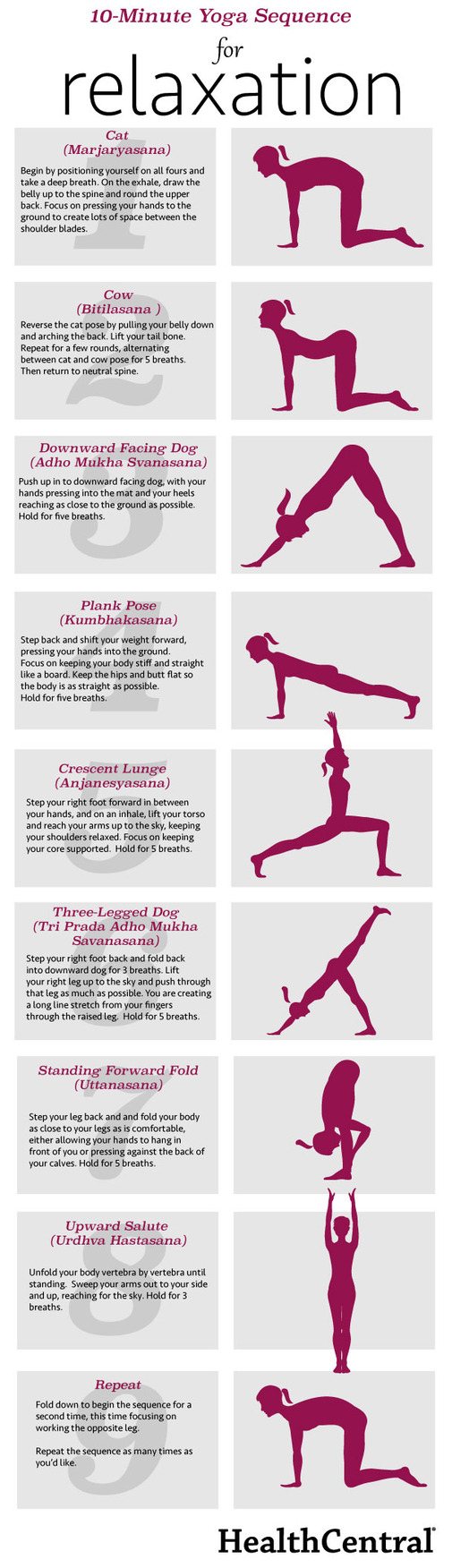
2019-07-03 – Good Morning & Yoga Poses
Good Morning everyone – just wanted to say Hello on this beautiful and lovely Montreal morning.
For those of you that have the energy and will power, here are some yoga poses to try at home – but BE CAREFUL. Slowly and with no pain.
2019-06-26 – Happy June 26
Why celebrate June 26?
– Someone in the world was born on this date – n’est pas?
2019-06-24 – Bonne Saint-Jean-Baptiste

 Almage Senior Community Center